

 3 min read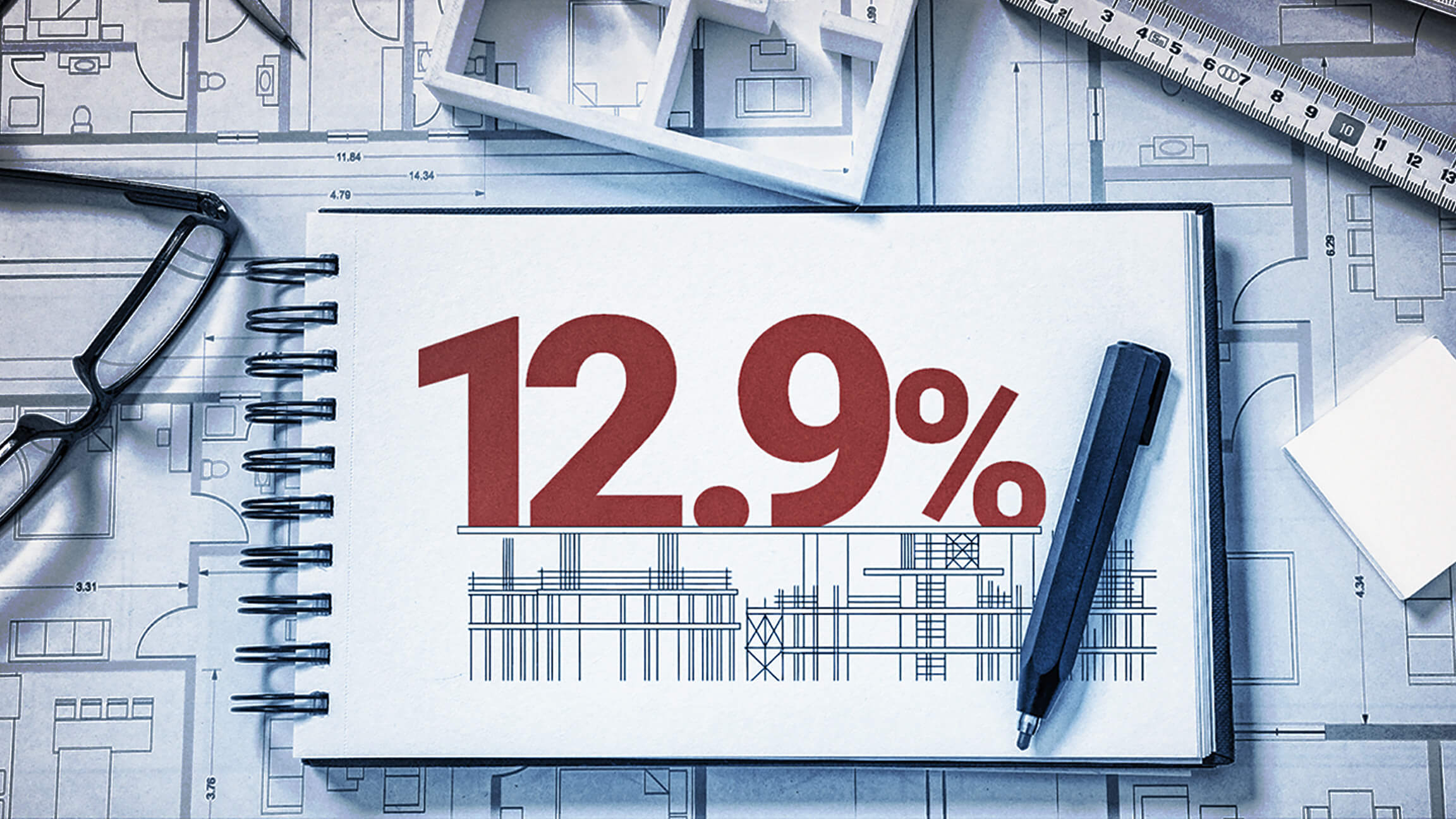
Contributors:
Nela Richardson, Ph.D.
Chief Economist, ESG Officer, and head of ADP Research
Between 2020 and 2023, pay growth for job-changers in construction held its own against that for job-changers in other sectors. But it began pulling ahead of the pack in August 2023.
Since then, annualized pay growth for these workers has outpaced that of job-changers in every sector every month, with two exceptions, in February and March 2026, when pay for job-changers in natural resources spiked temporarily, ADP data shows.
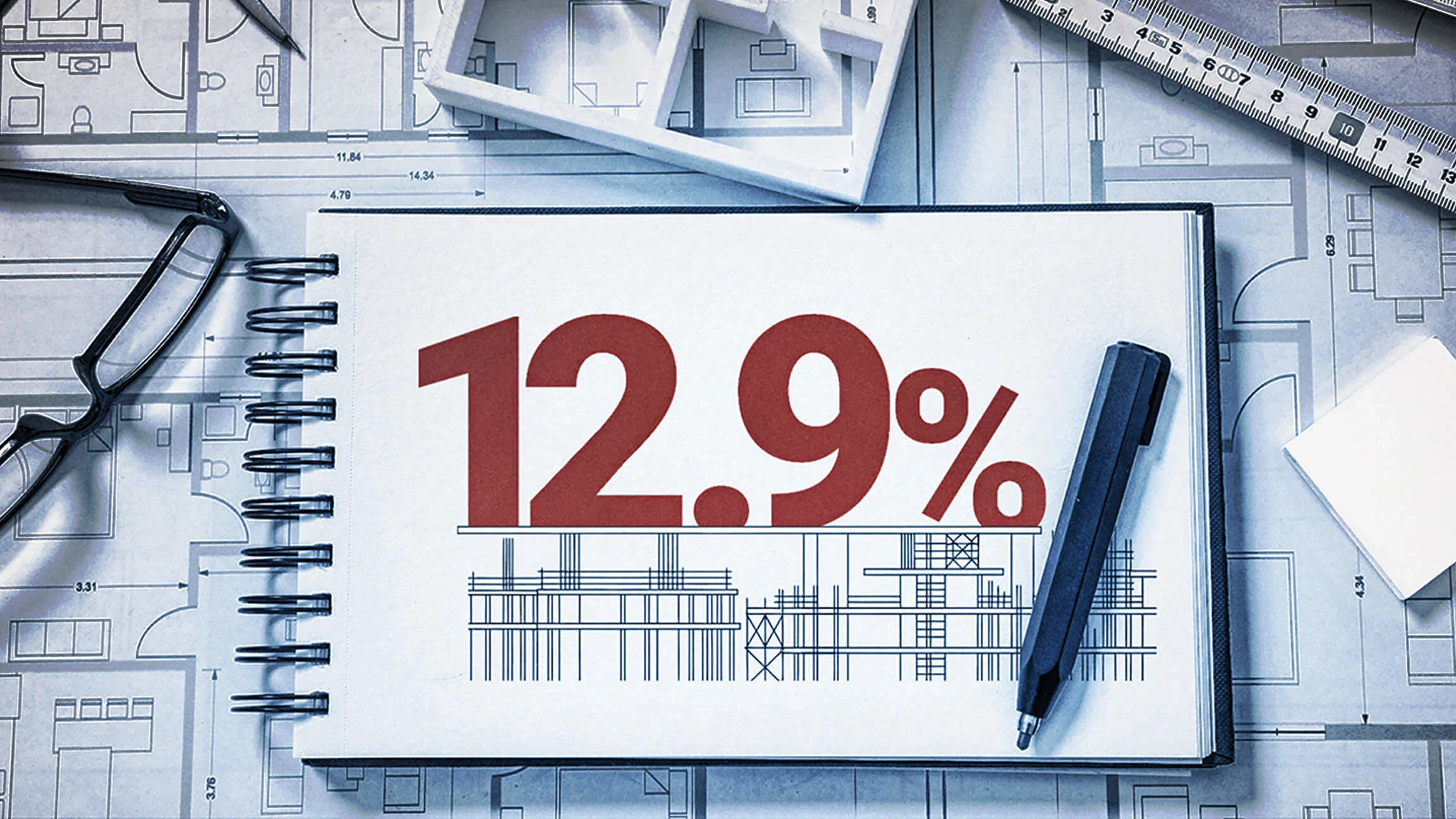
In June 2026, the latest available data, year-over-year pay growth for job-changers in construction was up 12.9 percent. Median gross pay was more than $59,100, compared to $43,200 for all job-switchers that month.
What’s going on?
Behind these big pay increases lies a basic story of short supply and high demand.
Construction hiring has outpaced overall job growth since at least 2014. Bureau of Labor Statistics data shows that between 2014 and 2024, construction boasted the strongest employment gains of any sector but trade, transportation, and utilities, a big category that includes retail workers and truck drivers.
But that expansion hasn’t been enough to satisfy demand. With a limited labor pool, construction workers have the power to command big jumps in pay when they switch jobs.
A dearth of new entrants. Construction has struggled to attract new people, and older workers have carried the business for years, ADP data shows. Since January 2020, the median age of electricians, plumbers, carpenters, and HVAC professionals has fallen by as much as five years as the age of U.S. workers has remained relatively steady.
The data center boom. Despite all you’ve read about artificial intelligence, data centers account for only a small piece of the construction industry pie – less than 2 percent by many estimates. Still, these projects have a big halo effect, boosting knock-on demand for residential and infrastructure labor, according to the American Institute of Architects. In May, the non-partisan think tank Brookings estimated that data centers contributed to an 11 percent increase in local construction jobs over five to six years.
Changes to immigration. As of 2020, immigrants accounted for 16.8 percent of U.S. workers, but 25.3 percent of construction workers, according to the Bureau of Labor Statistics. In some trades, such as drywall installers, painters, and roofers, that share exceeds 50 percent, according to the National Association of Home Builders.
Solutions. With salaries growing and labor supply slowing, construction workers are in high demand, with even private-sector companies outside of the industry creating apprenticeships and training programs to fill the talent gap.
There’s early evidence that these efforts are luring new workers. The percentage of new hires in the construction industry — that is, workers hired in the past three months — has been on the rise. From 2019 to 2025 new hires were 3.6 percent of employment, ADP data shows.
So far this year, the share of new hires in the industry averaged a full percentage point higher at 4.6 percent.
Contributors:
Nela Richardson, Ph.D.
Chief Economist, ESG Officer, and head of ADP Research